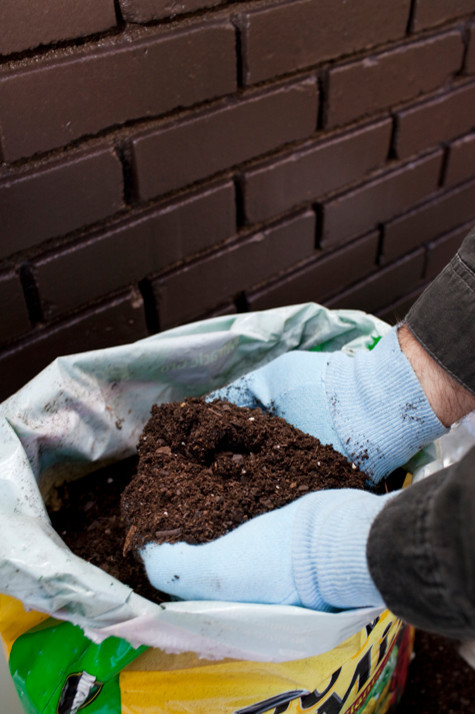

Even though the thermometer encourages you to stay indoors, February is a great month to get outside and get your hands dirty. You can start plants in nearly every category this month as seeds or small transplants, and you can work and improve the soil in preparation for spring planting. So brave the chill and promise yourself a cup of hot tea at the end of the afternoon — your garden awaits, and it will thank you and pay you back in spades in a couple of months.
Plant perennials and annuals.
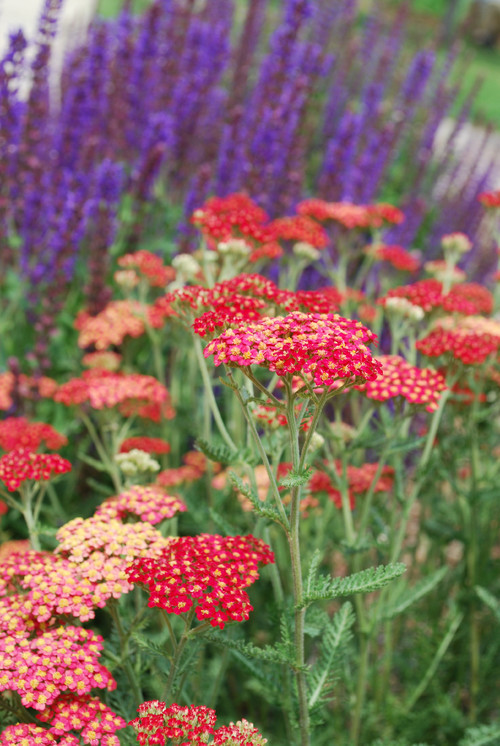
Many perennials and annuals can be directly planted into the garden now for late-winter and early-spring color, as well as color throughout the rest of the growing season.
Plant Yarrow, Turk’s cap, blackfoot daisy, zexmenia, poppies, snapdragons, stock, alyssum, delphiniums, dusty millerand and English daisies.
Shear and shape plants.
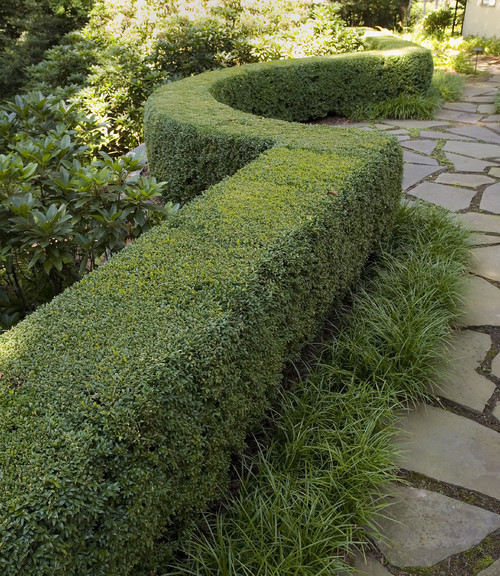
Prune immature fruit trees if necessary and shear evergreen shrubs to maintain shape. Ornamental grasses, as well as perennials like esperanza, firebush and salvia, can be cut back to about 12 inches.
Herbs like rosemary, oregano, savory and thyme will also appreciate a late-winter trimming. Be sure to avoid pruning your spring-flowering trees and shrubs at this time, as doing so will remove their flower power until next year.
Sow seeds.
Fertilize flower and vegetable gardens.
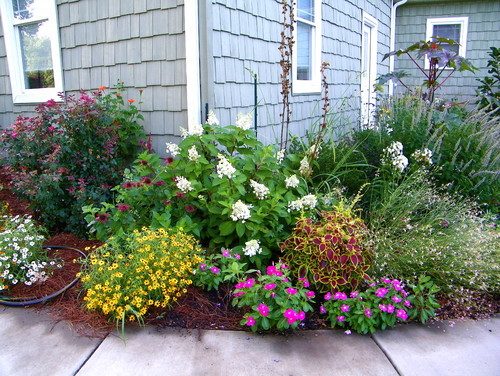
Early in the month, work some compost or organic fertilizer into your flower and vegetable beds. This way the soil is ready to go when spring hits. Try compost teas, liquid fertilizers, worm castings, cottonseed meal or compost from your own compost pile. Rake the mulch to the side and work the fertilizer into the top couple of inches of soil, then rake smooth and replace the mulch.
Ask your nursery for a fertilizer recommendation. Nobody knows the local soil and typical garden problems better than the staff at a good local garden center.
Establish fruit trees and plants.
Add herbs and vegetables.
There’s still time to get your cool-season veggies and herbs in the ground. Plant broccoli, asparagus, Asian greens, artichokes, cabbage, chard, collards, seed potatoes, onion sets, spinach, mustard greens and lettuce.
Herbs to plant include calendula, chives, cilantro, dill, lavender, rosemary, thyme, parsley, sage, fennel, sorrel and oregano. The sunnier the spot, the better the yield.
Test your soil.